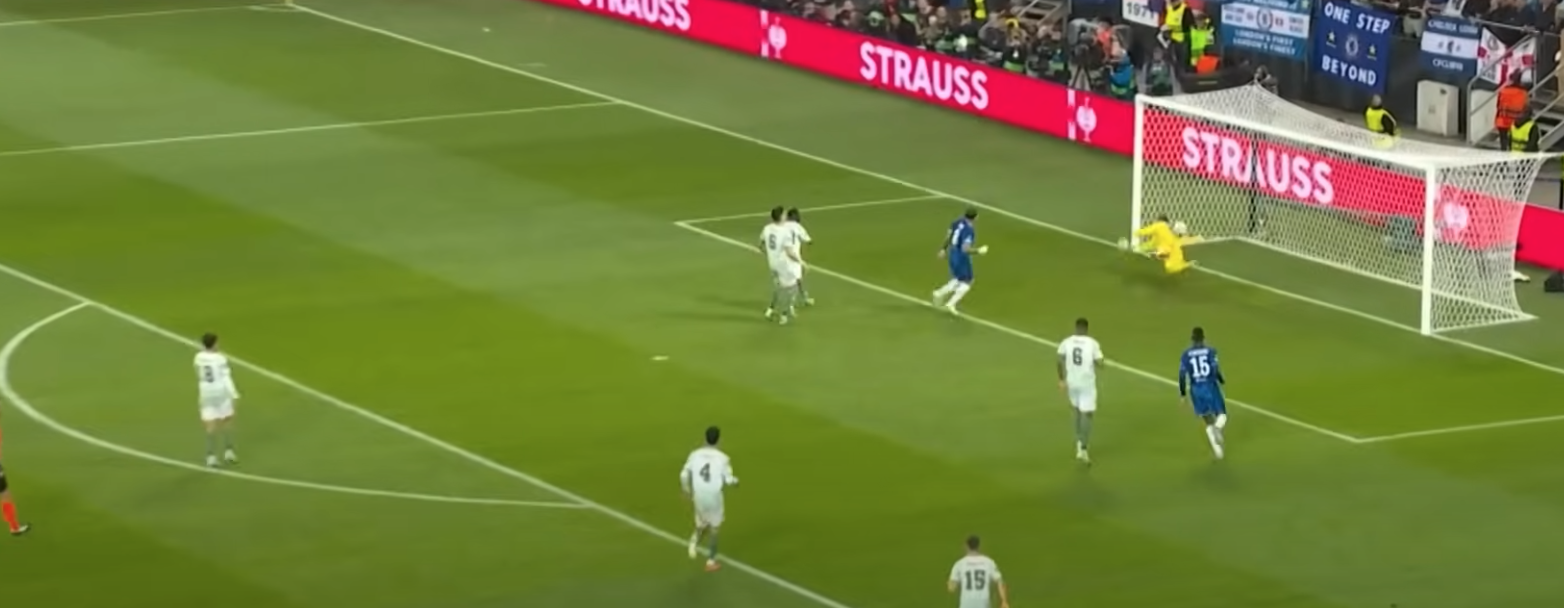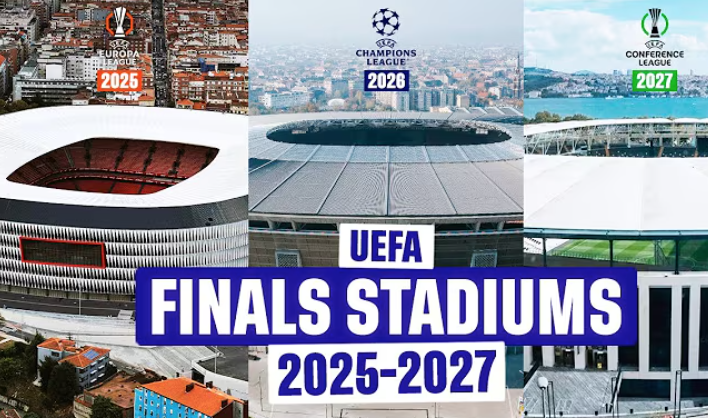








The modern game of football, as we know it today, owes much of its evolution to the tactical innovations and strategic revolutions born under the banner of UEFA. As the governing body for football across Europe, UEFA has not only organized the continent’s most prestigious competitions but has also become the ultimate testing ground for the tactical systems that define the modern era. From the possession-dominant ‘Tiki-Taka’ of Spain to the high-intensity ‘Gegenpressing’ of Germany, UEFA’s influence extends far beyond titles—it defines how football is played, studied, and evolved.
Tactical Innovation Through UEFA Competition
UEFA competitions provide elite coaches with the perfect stage to introduce, refine, and validate their tactical philosophies. Whether it’s the UEFA Champions League, UEFA Euro, or the UEFA Nations League, the diverse pool of teams and high-stakes environment force constant adaptation. The wide variance in playing styles—from Southern Europe’s flair to Northern Europe’s structure—creates a tactical melting pot, where new systems are stress-tested at the highest level.
Some of the most influential tactical evolutions in football history were showcased and cemented through UEFA tournaments. Think of Arrigo Sacchi’s zonal pressing with AC Milan in the late 1980s, Pep Guardiola’s positional play with Barcelona during the late 2000s, or Jürgen Klopp’s aggressive pressing with Dortmund and Liverpool. All were battle-tested and globally validated in UEFA competitions.
The Rise and Reign of Tiki-Taka
The Spanish national team, under coaches Luis Aragonés and Vicente del Bosque, revolutionized football with ‘Tiki-Taka’—a philosophy centered on short passing, positional rotation, and spatial domination. During their historic run between 2008 and 2012, Spain won two UEFA Euro titles and a World Cup, demonstrating the efficacy of their system on the international stage.
This style wasn't just limited to national teams. Clubs like FC Barcelona adopted the same approach and dominated UEFA tournaments, winning multiple Champions League titles. According to UEFA euro stats, Spain maintained average possession rates of over 64% during their Euro 2012 campaign, reflecting their tactical identity.
As a direct result, nations across Europe began prioritizing midfield technical skills in their youth academies. UEFA's coaching courses and tactical symposiums further disseminated this philosophy across member nations, illustrating how UEFA's centralized approach influenced tactical trends continent-wide.
Gegenpressing and the German Revival
Following Spain’s era, Germany introduced a new tactical chapter with the emergence of ‘Gegenpressing’ (counter-pressing). Popularized by managers like Jürgen Klopp and later adapted by national team coach Joachim Löw, this approach focuses on regaining possession immediately after losing the ball. It demands high energy, coordinated movement, and mental alertness.
The German national team’s triumph at the 2014 World Cup was a culmination of UEFA Nations League experiments and tactical evolution. In UEFA competitions, this system overwhelmed possession-based teams, offering an alternative model for winning. Bundesliga clubs quickly adopted this philosophy, and its influence spread across Europe through UEFA matchups.
Many clubs in UEFA tournaments, particularly in knockout stages, have since blended controlled possession with transitional pressing—a hybrid born from the clash between Tiki-Taka and Gegenpressing within the UEFA ecosystem.
How UEFA Formats Encourage Tactical Evolution
UEFA’s tournament structure—especially in Champions League and Euro qualifiers—encourages tactical variety. Group stages reward consistency, while knockout stages demand adaptability. Teams must prepare for travel fatigue, climate variance, and different footballing cultures. This reality has pushed managers to evolve and deepen their tactical toolkits.
Moreover, UEFA’s match calendar allows for real-time tactical adjustment over multiple legs. Two-legged ties have birthed strategies like the “away goal mindset” (now retired), compact first-leg approaches, or aggressive second-leg pressing. These dynamics create a breeding ground for innovation.
With many clubs now investing in data-driven analysis, UEFA match data becomes a reference point. Platforms that provide crypto sportsbook access also reflect these shifts, as tactical patterns begin influencing betting markets and odds generation in real time.
Key Tactical Systems Dominating UEFA Competitions
| Tactic | Description | Used By |
|---|---|---|
| Tiki-Taka | Short passing, possession control, positional play | Spain, Barcelona |
| Gegenpressing | Immediate pressing after ball loss, transitional dominance | Germany, Liverpool |
| Low Block & Counter | Deep defensive lines, quick long-ball counters | Atletico Madrid, Portugal |
| False 9 System | No fixed striker, rotational forward play | Manchester City, France |
These styles shape match tempo and determine which teams thrive under specific UEFA conditions. Understanding them offers advantages not only for coaches and analysts but also for fans engaged in soccer betting markets that respond to tactical formations and match rhythm.
UEFA’s Influence on Youth Development
UEFA’s technical development programs and coaching certification systems have a cascading effect on youth academies across Europe. UEFA Pro License holders are now leading talent pipelines in Spain, Germany, the Netherlands, and even smaller football nations like Croatia and Denmark. These standardized coaching principles ensure that tactical evolution is passed down efficiently from elite to grassroots levels.
This has created more tactically intelligent players, capable of adapting mid-match and executing complex systems. Clubs that nurture players with UEFA-caliber tactical literacy are more likely to excel in European competitions. Fans investing through UEFA Spain betting or analyzing UEFA France odds can often find value by backing well-drilled systems over flashy lineups.
The Role of Fans, Stadiums, and Matchday Strategy
Football tactics don’t exist in a vacuum—they thrive in the cauldron of UEFA stadiums filled with passionate supporters. Home advantage in UEFA tournaments can sway momentum, forcing tactical pivots. Coaches often switch formations or delay substitutions due to crowd noise, weather, or pressure from fans expecting a certain playing style.
Those lucky enough to hold tickets for UEFA fixtures experience this firsthand. From the tactical patience of Spanish crowds to the intensity of Balkan ultras, UEFA matchdays become living tactical laboratories. As teams evolve, so do fans, who now analyze pressing triggers, off-ball movement, and xG charts as part of their matchday ritual.
Conclusion: UEFA as the Tactical Heart of Modern Football
Over the last two decades, UEFA has done more than govern European football—it has fundamentally shaped the tactical blueprints of the global game. The lessons learned on UEFA stages become the trends of tomorrow. Whether it’s the methodical Tiki-Taka, the fiery Gegenpressing, or future AI-driven formations, UEFA remains the crucible where football’s next revolution begins.
For fans, analysts, and those immersed in soccer betting, understanding UEFA’s tactical legacy is key to appreciating the beauty and complexity of the modern game. And for those attending live matches, holding tickets for UEFA means more than watching a game—it means witnessing the evolution of football strategy in real time.