







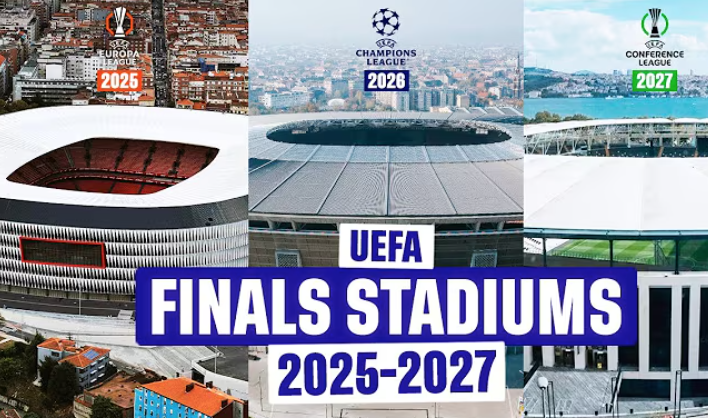
Across the continent, UEFA stadiums represent more than just architectural marvels—they are epicenters of footballing passion, cultural identity, and unforgettable fan experiences. From London’s legendary Wembley Stadium to the acoustic fortress of Istanbul’s Atatürk Olympic Stadium, each UEFA venue tells its own story. These arenas are not only central to historic UEFA tournaments but also pivotal in shaping the narratives of European football fandom and hospitality.
1. The Legacy of UEFA’s Most Iconic Stadiums
Few sporting events rival the scale and drama of a UEFA final. These finals often take place in the most prestigious venues across Europe, each offering a unique backdrop. The revered Santiago Bernabéu in Madrid, for instance, has hosted numerous UEFA Champions League finals, becoming a symbol of tradition and glory. Similarly, London’s Wembley Stadium, with a capacity of 90,000, serves as a national icon and has witnessed everything from Euro finals to dramatic penalty shootouts.
Other notable UEFA stadiums include:
- Allianz Arena, Munich – Known for its color-changing façade and hosting Germany’s biggest matches in UEFA Euro tournaments.
- Stadio Olimpico, Rome – Italy’s historic home for both UEFA and domestic finals.
- Parken Stadium, Copenhagen – A compact and intense arena that offers one of the most intimate UEFA atmospheres.
These architectural masterpieces are more than facilities—they’re shrines where the stories of UEFA triumphs and heartbreaks are engraved into footballing lore.
2. Architectural Design: Beyond Beauty and Capacity
UEFA stadiums are not only vast in size but often rich in architectural complexity. Many UEFA stadiums combine functionality with aesthetic innovation. The Allianz Arena’s luminous exterior and the Allianz Stadium in Turin with its asymmetrical roof lines have redefined how modern stadiums look and feel. Even classic designs like the Estadio da Luz in Lisbon offer a blend of heritage and modern spectator comfort.
UEFA's venue selection often depends on these architectural merits, prioritizing factors like accessibility, safety, and fan visibility. These decisions significantly impact not just the teams but also the millions watching via broadcast or soccer betting platforms, as stadium acoustics and pitch dimensions can influence match tempo and strategy.
3. The UEFA Atmosphere: Passion Beyond Borders
Each UEFA stadium has a distinct atmosphere. While German venues are known for their organized chants and wall-like supporter groups, Spanish and Italian stadiums deliver rhythmic noise, flares, and emotionally charged chants that reflect regional pride. The UEFA atmosphere is as much about the roar of the crowd as it is about the technical display on the pitch.
For many fans, attending a UEFA match is a pilgrimage. From the electric ambiance of Anfield on a UEFA night to the choreographed tifos of Marseille, the sensory immersion is unmatched. It’s what makes tickets for UEFA fixtures among the most sought-after in global sport.
4. Stadium Allocation for UEFA Tournaments
Venue selection for UEFA competitions such as the UEFA Euro and Nations League involves a meticulous process. Factors considered include:
- Stadium size and seat capacity
- UEFA safety and accessibility standards
- Proximity to transport and accommodation hubs
- Technical specifications like VAR infrastructure and media zones
For example, the 2024 UEFA Euro tournament will feature games in over 10 stadiums across the continent, ranging from England's iconic arenas to Romania’s emerging venues, all meeting the stringent UEFA requirements. This geographical spread helps localize the fan experience and drives tourism across the host cities.
5. The Fan Experience: From Entry to Exit
Attending a tickets for UEFA match is a complete experience. From pre-match fan zones filled with music and food to interactive UEFA exhibitions, organizers ensure fans are entertained long before kickoff. Modern UEFA stadiums also prioritize family areas, sensory accessibility, and digital infrastructure for real-time match tracking and social sharing.
Moreover, many stadiums now integrate cryptocurrency-enabled services for food and merchandise purchases, reflecting UEFA's adaptive approach to evolving fan expectations. For bettors, many venues even feature in-stadium Wi-Fi capable of supporting live bitcoin sportsbook access—blending technology, commerce, and competition.
6. UEFA Stadiums and Economic Impact
The role of UEFA in stadium development extends beyond architecture. Host cities often experience economic boosts from UEFA matches, with increased tourism, hospitality revenue, and international exposure. The multiplier effect of hosting a UEFA semifinal or final extends to infrastructure development, employment, and long-term city branding.
In fact, studies from past UEFA tournaments show that cities hosting major matches can experience GDP growth up to 0.3% during the quarter in which the event occurs. This has prompted even second-tier cities to aggressively bid for UEFA event hosting rights in hopes of transforming their international reputation.
7. Future of UEFA Stadiums: Sustainability & Innovation
As UEFA adapts to the environmental challenges of the 21st century, stadium design and operation have shifted toward sustainability. Stadiums like the Johan Cruyff Arena in Amsterdam now feature solar panels and energy-positive infrastructure. UEFA’s new green standard requires host venues to meet benchmarks in recycling, emissions, and fan transport options.
With future UEFA events embracing AI-enhanced crowd management and biometric ticketing, fans can expect a high-tech and eco-conscious viewing experience that blends tradition with innovation.
8. Betting in Stadium Context: What Fans Should Know
As stadiums become smarter and more connected, the intersection of live viewing and soccer betting has never been closer. Fans seated in UEFA arenas often engage in live bets, adjusting their picks based on player form, tactical shifts, and momentum—all visible and felt in real time.
Whether it's wagering through an online sportsbook during a break or using a crypto betting platform on-site, the UEFA stadium experience has become a playground for both traditional and digital bettors. Betting responsibly, of course, remains a UEFA-endorsed standard across all participating countries.
UEFA Stadiums Are Where Football Lives
From legendary goals to last-minute heartbreaks, UEFA stadiums are more than places—they're living chapters in football's most celebrated book. Whether you're a first-time tourist with tickets for UEFA or a veteran supporter tracking odds via soccer betting websites, these arenas offer something unforgettable. They are proof that architecture, atmosphere, and anticipation—when combined under the UEFA banner—create the most electrifying sporting moments on Earth.