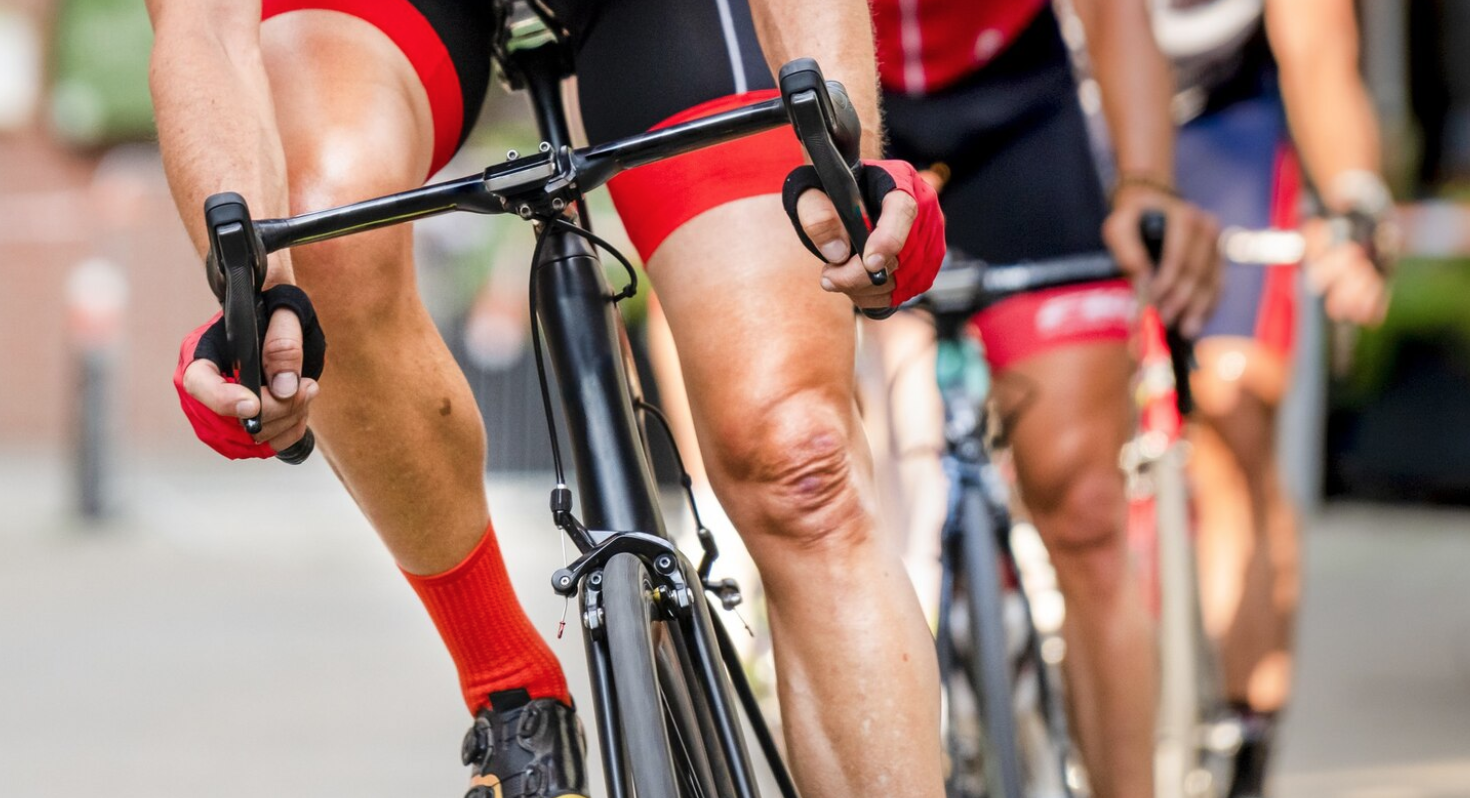








The Giro d’Italia is one of the most prestigious and complex cycling races in the world. But how exactly does a rider win it? With over 20 stages, multiple terrain types, and various time-based and points-based classifications, it’s far more than simply crossing the finish line first. Victory in the Giro d’Italia is the result of strategy, teamwork, resilience, and constant attention to the evolving Giro d’Italia standings.
Understanding the General Classification (GC)
The primary goal of most riders is to win the General Classification (GC)—the overall race. This is determined by cumulative time across all 21 stages. The rider with the lowest total time at the end of the final stage wears the prestigious pink jersey, or Maglia Rosa.
The Giro d’Italia standings are updated after every stage, and even a one-second lead can determine the winner. Time bonuses at intermediate sprints and stage finishes make this battle even more nuanced.
Other Classifications: More Than One Race
While the GC grabs the headlines, there are other classifications that riders and teams target:
- Points Classification (Maglia Ciclamino – Purple Jersey): Awarded to the most consistent finisher, typically favoring sprinters who accumulate points at stage finishes and intermediate sprints.
- King of the Mountains (Maglia Azzurra – Blue Jersey): Earned by riders who gain points at designated mountain summits. This classification often goes to elite climbers.
- Young Rider Classification (Maglia Bianca – White Jersey): Like the GC, but limited to riders under 25 years of age.
- Team Classification: Based on the combined time of the top three riders in each team across all stages.
These competitions create what many call the “race within the race.” A rider may not contend for the pink jersey but still battle every day for points or climbing supremacy. Each jersey brings prestige and tactical complexity.
Stage Types and Their Impact on Strategy
The Giro d’Italia includes a variety of stage types, each affecting the race differently:
- Flat Stages: Favor sprinters; usually low impact on GC but vital for the points classification.
- Mountain Stages: Often decisive for the GC. Climbing specialists use these stages to gain time on rivals.
- Time Trials (TT): Riders race alone against the clock. These stages can shake up the standings significantly, especially when scheduled late in the race.
- Hilly or Transitional Stages: Tend to favor breakaways or puncheurs, offering tactical opportunities for time gains or recovery.
Winning the Giro d’Italia means excelling—or at least surviving—across all these terrains. The most successful riders are not just fast; they’re versatile and resilient.
The Role of Team Tactics
Although one rider wears the jersey, no one wins the Giro alone. Every leader is backed by a team with a clear role distribution:
- Domestiques: Support riders who fetch bottles, shield the leader from wind, and pace them up mountains.
- Climbers: Specialists who help the GC contender in the toughest ascents.
- Sprinters: Chase stage wins on flat days and contribute to the team classification.
Well-coordinated teams help control the pace, chase down breakaways, and protect their leader from crashes and crosswinds. Some teams enter the Giro d’Italia 2025 with a dual focus—competing for stage wins while supporting a GC contender. This balancing act requires constant communication, data analysis, and split-second decision-making.
Time Bonuses and Intermediate Sprints
Another layer of complexity comes from time bonuses. At the end of most stages, the first three riders receive bonus seconds—typically 10, 6, and 4 seconds—which are subtracted from their total time. Similar bonuses are available at intermediate sprints during the stage.
These bonuses can make a massive difference. In some editions, the Giro d’Italia standings have been decided by fewer than 20 seconds. Thus, sprinters and all-rounders often contest these sprints, knowing they can impact the GC.
Surviving the Third Week: The Real Test
The first two weeks of the Giro test strategy, form, and consistency. But the third week—packed with high mountain stages—is where the real race often begins. Riders who conserve energy early may shine late, while early leaders sometimes falter under the cumulative fatigue.
It’s during this phase that the Giro d’Italia standings fluctuate dramatically. Climbing stages in the Dolomites or Alps often feature 4,000+ meters of elevation and brutal weather conditions. Riders must balance risk and recovery daily.
Weather, Altitude, and Recovery
The unpredictable Italian spring adds another challenge. Rain, snow, and temperature swings affect tire grip, clothing choices, and hydration. Altitude can also impair performance, especially on climbs like Passo dello Stelvio or Colle delle Finestre.
Recovery is key. Riders consume up to 6,000 calories a day and undergo massages, ice baths, and data reviews every evening. Winning the Giro d’Italia means winning the recovery game just as much as the stages themselves.
Psychological Warfare: The Mind Game
Beyond the legs and lungs, the mind is a critical battlefield. Riders face mental strain from crashes, mechanical issues, media scrutiny, and the knowledge that one bad day can destroy three weeks of effort. The best cyclists remain focused and calm under pressure.
GC contenders often play cat-and-mouse games—attacking on descents, feigning weakness, or baiting rivals into chasing. Reading the race is as important as riding it.
How the Giro d’Italia 2025 May Change the Game
With route changes every year, the Giro d’Italia 2025 is expected to introduce new challenges: gravel sectors, explosive short climbs, and late-stage time trials. These adjustments could favor younger, punchier riders or teams with greater tactical depth.
As the Giro continues to evolve, understanding how to win becomes more layered. Fans who follow the Giro d’Italia standings daily will see how leaders emerge not just through speed, but through smart decision-making and resilience.
Final Thoughts: Winning the Race Within the Race
The Giro d’Italia is a multidimensional battle. It's not only about who finishes first, but who can master time, terrain, and tactics. From wearing the pink jersey to leading the mountains classification, each victory tells a different story.
As we approach the Giro d’Italia 2025, fans will again witness the drama unfold—sometimes in big moments, sometimes in subtle ones. And those who understand the mechanics behind the race will find even more meaning in every pedal stroke, sprint, and summit finish.
Winning the Giro is not just about strength. It’s about strategy. And that’s what makes it one of the most extraordinary races in the world of sport.