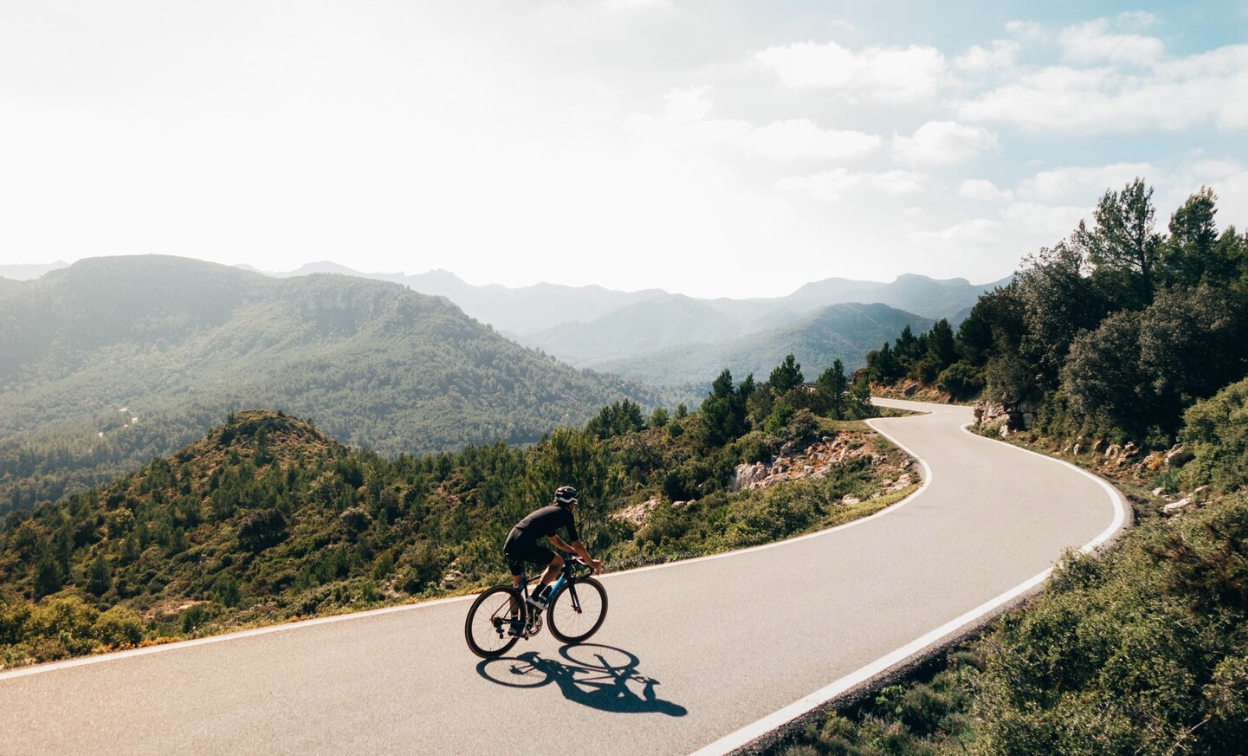








When it comes to professional cycling, no event tests a rider’s endurance and spirit quite like the mountainous stages of the Giro d’Italia. Known for its brutal terrain and breathtaking scenery, the Giro features some of the world’s most legendary climbs. These ascents are not just obstacles—they are hallowed battlegrounds that have shaped the careers of great champions. As we anticipate the Giro d’Italia 2025, let’s look back at the most iconic climbs in race history and understand their role in influencing the Giro d’Italia standings.
1. Passo dello Stelvio
Arguably the most famous climb in Giro history, the Stelvio Pass rises to 2,758 meters, making it one of the highest paved roads in Europe. With its 48 hairpin bends, steep gradients, and dramatic alpine scenery, the Stelvio is a rite of passage for any serious climber.
First introduced to the Giro d’Italia in 1953, this climb has hosted some of the most memorable battles in Grand Tour history. It was here that Fausto Coppi sealed one of his greatest victories, etching the Stelvio into cycling lore.
2. Monte Zoncolan
Nicknamed "The Monster of Ovaro," Monte Zoncolan is infamous for its cruel gradients, often exceeding 15% for long stretches. It's a modern addition to the Giro, first appearing in 2003, but has quickly earned legendary status.
The climb is shorter than Stelvio or Gavia, but it's steeper and psychologically more punishing. When riders hit Zoncolan, the Giro d’Italia standings often shift dramatically, exposing weaknesses and highlighting true climbing talent.
3. Passo Gavia
The Gavia Pass is one of the most unpredictable climbs due to extreme weather. Sitting at 2,621 meters, it’s not just the altitude but the conditions—snow, wind, freezing rain—that make it so challenging.
Most famously, during the 1988 Giro, American rider Andy Hampsten ascended the Gavia in a snowstorm, ultimately winning the Maglia Rosa. His performance under impossible conditions is still considered one of the bravest in cycling history.
4. Colle delle Finestre
Known for its unpaved final stretch, Colle delle Finestre combines beauty with brutality. At 2,178 meters, the climb features 18 km of relentless ascent, and the gravel surface adds an extra layer of difficulty.
First featured in the 2005 edition, the Finestre has become a tactical stage where GC contenders either gain massive time or lose the race altogether. Its gravel adds unpredictability, making it one of the most dynamic climbs influencing the Giro d’Italia standings.
5. Blockhaus
Blockhaus is steeped in history, having first appeared in 1967. At 2,135 meters high, this climb in the Apennines demands not only climbing power but technical precision on narrow, twisting roads.
Recent editions have seen riders like Nairo Quintana and Jai Hindley use Blockhaus to launch attacks that reshaped the GC battle. For the Giro d’Italia 2025, there are rumors that Blockhaus may return as a key mountain-top finish.
6. Mortirolo Pass
No list of Giro climbs would be complete without Passo del Mortirolo. Often dubbed the hardest climb in professional cycling, it has gradients consistently above 10% with brutal switchbacks. Introduced in 1990, it became famous thanks to Marco Pantani’s exploits.
Mortirolo has a mythical aura. Riders fear it. Fans love it. When Mortirolo is on the route, you can expect fireworks and major shifts in the Giro d’Italia standings.
7. Monte Grappa
Monte Grappa is not just a physical test—it’s a site of historical significance from World War I. The modern Giro uses this climb to blend heritage with hardship. Often featured in time trials, the Grappa is as mentally taxing as it is physical.
Riders have faced this climb in both individual stages and team time trials. It's become a spiritual climax for editions that include it, especially in the context of the Giro d’Italia's national symbolism.
Why These Climbs Matter So Much
In a Grand Tour, flat stages may set the rhythm, but mountain stages determine the destiny. That’s why these iconic climbs are so vital—they’re where champions are made. The Giro d’Italia standings often see their most significant shake-ups during these ascents. Whether it's a breakaway attempt or a GC battle, climbs like Zoncolan and Stelvio test everything: endurance, strategy, and heart.
Looking Ahead: What to Expect in Giro d’Italia 2025
Though the final route hasn’t been confirmed, early speculation about the Giro d’Italia 2025 suggests a return of several classic climbs along with new, gravel-packed ascents to match current trends. Organizers are focusing on making the race more dynamic, with shorter, explosive mountain stages that favor tactical versatility.
Modern riders are now expected to be well-rounded athletes, and mountain stages are no longer just about climbing—they’re about recovery, pacing, and precision. Expect young climbers and seasoned GC veterans to use these legendary ascents as launchpads for pink jersey glory.
Final Thoughts: The Mountains Make the Race
The Giro d’Italia wouldn't be what it is without its epic climbs. These mountains are more than scenery—they are silent judges, measuring the courage and capacity of every rider who dares to scale them. From snowy summits to dusty gravel, from ancient legends to modern marvels, the climbs of the Giro define not just the race, but the very essence of cycling itself.
As the Giro d’Italia 2025 approaches, fans and riders alike will turn their attention once again to the peaks. Because when the road goes up, the true race begins—and the Giro d’Italia standings will tell the story of who rose, and who fell.