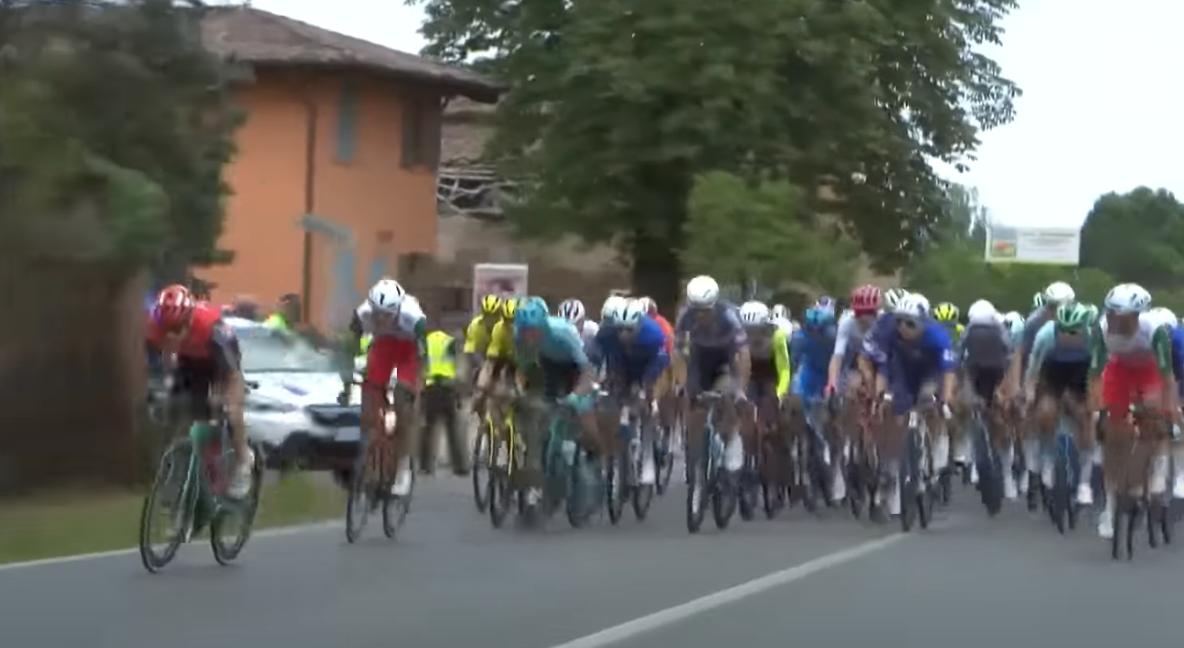








The Giro d’Italia is not just a race—it’s a three-week examination of physical endurance, mental resilience, and strategic execution. For any rider hoping to compete for the pink jersey, preparation begins months, even years in advance. Winning—or even completing—the Giro requires more than talent. It demands structured training, disciplined nutrition, race simulation, and team coordination. As we approach the Giro d’Italia 2025, this article breaks down what it really takes to prepare like a Grand Tour contender and how each component shapes performance in the Giro d’Italia standings.
1. Building the Base: Aerobic Conditioning
At the heart of Giro training lies aerobic base work. Riders spend 10–15 weeks in the offseason building endurance through low-intensity, high-volume rides—sometimes riding 20+ hours per week at “Zone 2” heart rates.
- 🧠 Improves fat metabolism and energy efficiency
- 🫀 Expands capillary density and mitochondrial function
- ⚡ Prepares the body for later intensity blocks
Without this base, a rider simply can’t sustain the repeated efforts needed to climb the Stelvio or attack in week three. It’s foundational to lasting in the Giro d’Italia standings for all 21 stages.
2. High-Intensity Interval Training (HIIT)
As race day approaches, riders shift into a second phase focused on anaerobic capacity and race-pace intensity. This includes:
- 🔺 VO2 Max intervals (4x5 mins @ 120% FTP)
- 🔁 Sweet Spot efforts (20–40 mins at 88–94% FTP)
- 💥 Sprint drills and lactate tolerance intervals
These sessions help riders respond to attacks, climb steep gradients, and recover between hard efforts—key skills in the mountainous terrain that defines the Giro d’Italia.
3. Altitude and Heat Training
Altitude plays a massive role in Grand Tours. Many Giro contenders spend 2–4 weeks at altitude training camps in places like:
- 🇪🇸 Sierra Nevada, Spain
- 🇮🇹 Livigno, Italy
- 🇺🇸 Colorado, USA
These sessions stimulate red blood cell production and hemoglobin efficiency—critical for performance above 2,000 meters, where oxygen is limited. For stages like the Stelvio or Passo Giau, altitude adaptation can determine who rises and who drops in the Giro d’Italia standings.
Similarly, heat adaptation helps riders prepare for intense temperatures in Italy’s south. This is often achieved via indoor training or saunas post-ride.
4. Nutrition: Fueling the Machine
What riders eat is just as important as how they train. A Giro contender’s nutrition plan is meticulously tailored:
- 🍝 High-carb diet (6–12g/kg per day) to support glycogen replenishment
- 🥩 Lean proteins for muscle repair and immune health
- 🥦 Micronutrients and antioxidants to aid recovery
During the race, riders consume 80–120g of carbs per hour, often in the form of gels, rice cakes, and isotonic drinks. This precise fueling ensures riders avoid bonking and maintain consistent output—even in back-to-back mountain stages that can flip the Giro d’Italia standings.
5. Race Simulation Training
One of the most effective ways to prepare for the Giro is to mimic it. Race simulation blocks replicate Grand Tour fatigue and stage profiles. These blocks typically include:
- 🗓️ 3–5 days of “back-to-back” hard rides
- 🚵 4,000m+ climbing in a single session
- ⏱️ Race-intensity surges and descending practice
Riders train at predicted wattage outputs for key climbs, simulate stage sequences, and practice nutrition during long rides. These simulations expose weaknesses before the actual event, allowing adjustments in pacing, gear, or fueling plans.
6. Mental Conditioning
The Giro is a psychological battlefield. Riders must manage:
- 📉 The pressure of holding or chasing pink
- 😖 The pain of climbing and crashes
- 😮💨 Sleep disruptions and fatigue from constant travel
Many riders work with sports psychologists on techniques like visualization, breath work, and mental reframing. Pre-stage rituals and “anchor words” help riders stay calm during high-pressure moments that define the Giro d’Italia standings.
7. Equipment, Positioning, and Bike Fit
Marginal gains matter. Every Giro contender benefits from:
- 💨 Aero testing in wind tunnels
- ⚙️ Custom crank lengths, gearing setups, and saddle adjustments
- 📐 Bike fit sessions to improve power transfer and reduce fatigue
In time trials, a 5-watt aero gain can mean 20 seconds—enough to alter GC positions. Equipment choices are tailored for each stage: aero bikes for flat TTs, lightweight frames for mountain stages.
8. Strategic Planning with the Team
Winning the Giro isn’t a solo mission. Pre-race planning includes:
- 📊 Studying route profiles and identifying “target” stages
- 🤝 Assigning domestiques for specific terrain support
- 📈 Using power models to forecast rival performance
Teams like INEOS, UAE Emirates, and Jumbo–Visma plan strategies weeks in advance. They simulate weather patterns, predict crosswind zones, and calculate ideal breakaway stages. These tactical blueprints directly impact how riders gain or defend their position in the Giro d’Italia standings.
9. Tapering and Peak Form
The final 10–14 days before the Giro are for sharpening. Riders reduce volume, maintain intensity, and arrive at the start line fresh but primed. This taper phase is where training stress is converted into race-day performance.
A poor taper can ruin months of work. Coaches monitor biomarkers, sleep quality, and mood to ensure a rider hits the start line in optimal form for the Giro d’Italia 2025.
Final Thoughts: Precision Meets Passion
Training for the Giro d’Italia is both science and art. From altitude tents to glucose tracking, from mental rehearsal to gravel simulation, every element plays a role. Success in the Giro d’Italia standings doesn’t come from one big ride—it’s built across thousands of kilometers, hundreds of training hours, and endless refinement.
As we prepare for the Giro d’Italia 2025, remember that the story of the race begins long before the flag drops in Italy. It starts in the gym, on the trainer, in the lab, and in the mind. And those who train like contenders—may just become champions.