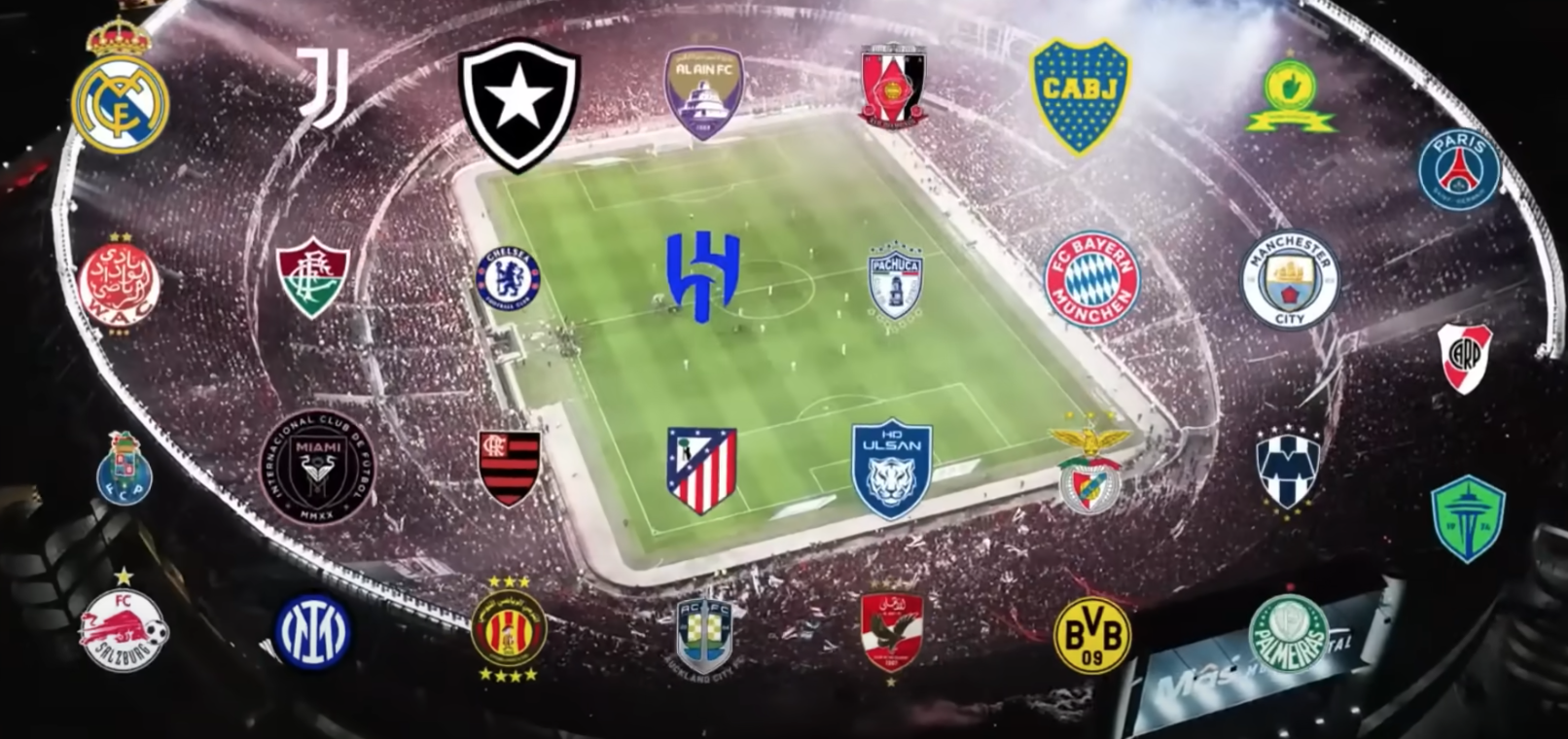








The fifa club world cup 2025 marks a turning point in the history of international club football. With 32 elite teams from every continent set to compete in the United States, FIFA is making a bold statement: it wants the Club World Cup to rival — or even surpass — the UEFA Champions League as the premier club competition on the planet.
But how do these two tournaments compare in 2025? Which one offers better football, more global appeal, and greater fan value — both on and off the pitch? In this in-depth comparison, we evaluate everything from sporting merit to betting activity on soccer betting platforms to determine which tournament reigns supreme.
Club World Cup vs Champions League 2025: Which Tournament Is Truly Bigger?
📊 Format and Structure: Expansion vs. Consistency
The UEFA Champions League is known for its long, consistent format: group stages followed by two-legged knockouts and a final. It spans nine months and features Europe’s best, creating rivalries and storylines.
The fifa club world cup 2025, by contrast, adopts a World Cup-style format — 32 teams, 8 groups, single-elimination knockouts. It’s short, intense, and packs drama into one month. The 2025 version introduces more clubs from outside Europe, including Africa, Asia, and the Americas, making it truly global.
- UCL: Consistent format, long-term drama, league depth
- Club World Cup: Compact, global, high-stakes spectacle
🌍 Global Reach and Representation
While the UEFA Champions League is globally watched, it features only European clubs. In contrast, the fifa club world cup includes champions from every confederation, offering diversity in playing styles, culture, and fanbases.
The inclusion of 2025 fifa club world cup teams like Al Ahly, Urawa Red Diamonds, Monterrey, and Auckland City allows fans across six continents to connect more personally with the tournament.
From a reach standpoint, FIFA’s expanded Club World Cup wins in 2025 by bringing in fans who rarely see their clubs on a world stage.
🏆 Prestige and Legacy
The UEFA Champions League has unmatched historical prestige. Clubs like Real Madrid, Milan, and Bayern Munich have built legacies through decades of UCL dominance. Players dream of winning it, and it’s often the deciding factor in Ballon d'Or campaigns.
The fifa club world cup, however, is still growing its legacy. But with the new 32-team format, top venues, and expanded prize pools, it’s rapidly gaining legitimacy as a World Cup of club football.
If the 2025 edition is a commercial and competitive success, the Club World Cup could begin to rival the Champions League in prestige — particularly in global markets like Asia, Africa, and North America.
💰 Commercial Value and Sponsorship
The UEFA Champions League earns billions annually through TV rights, sponsorships, and merchandise. Brands pay a premium to appear alongside the UCL logo.
The fifa club world cup 2025 is projected to generate over $2 billion in revenue through ticket sales, global rights deals, and new sponsorships. Companies like Visa, Coca-Cola, and Adidas are doubling down on Club World Cup branding.
U.S. hosting also adds commercial power, with major sponsors launching American campaigns and partnering with sportsbooks like sportsbet and esporte bet to activate audiences on-site and online.
🎟️ Fan Experience: Stadiums and Accessibility
Watching UCL matches in Europe is a dream for many, but difficult to access for global fans. The fifa club world cup tickets give those in the U.S., Latin America, and Asia a chance to attend live.
With venues like SoFi Stadium (Los Angeles), MetLife Stadium (New Jersey), and AT&T Stadium (Dallas), the fifa club world cup stadiums offer cutting-edge tech, augmented reality fan zones, and betting kiosks — elevating the fan experience.
Geo-fenced apps from soccer betting websites allow live betting with dynamic odds for fans sitting inside the stadium.
⚽ Level of Football Quality
This is where the Champions League still dominates — the top 16 UCL clubs play the highest level of football on earth. Teams train year-round for this competition, and the technical, tactical, and physical quality is elite.
However, the fifa club world cup 2025 will feature 12 UEFA clubs, plus CONMEBOL’s best (like Flamengo and Palmeiras), and top sides from other confederations. The quality gap is closing — especially in one-off matches where upsets can happen.
If an Al Ahly beats a Chelsea in the quarterfinal, it will send shockwaves through the football world — and the betting world.
🎰 Betting Volume and Market Diversity
The Champions League dominates soccer betting volume throughout the year, with hundreds of markets per match. But the Club World Cup is rapidly catching up — especially with its expanded format.
- UCL: Deep, well-modeled markets (goals, corners, assists, cards)
- Club World Cup: Higher variance, underdog value, diverse matchups
Smart bettors may find better odds and more exploitable matchups in the fifa club world cup 2025, especially when betting on non-European clubs early in the tournament.
📣 Media Coverage and Global Storylines
The UCL dominates football discourse in Europe, but the Club World Cup generates broader global media coverage. Storylines like:
- “Can an MLS club reach the quarterfinals?”
- “Will Real Madrid add another star to their badge?”
- “Can Al Hilal or Urawa Red Diamonds make history?”
These narratives attract attention across continents, and with FIFA pushing streaming access through FIFA+, more fans are watching than ever.
🔚 Final Verdict: A Clash of Titans with Different Strengths
So, which is bigger in 2025 — the fifa club world cup or the UEFA Champions League? The answer may depend on where you live and what you value:
- For tradition, consistency, and elite football: UCL still leads
- For global inclusion, spectacle, and growth potential: Club World Cup is surging
As the fifa club world cup 2025 unfolds in the U.S., it could be the moment the world’s fans, sponsors, and sportsbooks alike see it not as a secondary competition — but as football’s next frontier.
Whether you're cheering in the stands, comparing teams on betting dashboards, or streaming from across the globe, you're part of football’s new era. And it’s only just beginning.