







Valorant’s ranking system has been a point of contention for many players since the game’s release. As one of the most competitive tactical shooters in the market, the ranking system is crucial in ensuring that players face opponents of equal skill, providing a fair and enjoyable experience. However, players frequently voice concerns over the matchmaking system, team imbalances, and factors like smurfing and "throwing" (players intentionally underperforming) that can make the ranked experience feel unfair. In this article, we will explore whether Valorant’s ranking system is truly fair, examining the matchmaking mechanics, the impact of teammate and opponent skill disparities, and how these factors affect the overall player experience. Additionally, we will compare Valorant’s ranking system to those of other popular games, such as CS2 and Overwatch, to see how they address fairness in competitive play. For players involved in valorant betting, understanding these dynamics is crucial when evaluating valorant betting odds and valorant esports betting trends. Players who face unfair matchmaking or teammate imbalances often have a worse experience, which can influence match outcomes and ultimately impact valorant betting sites and their associated odds.
The Mechanics of Valorant’s Ranking System
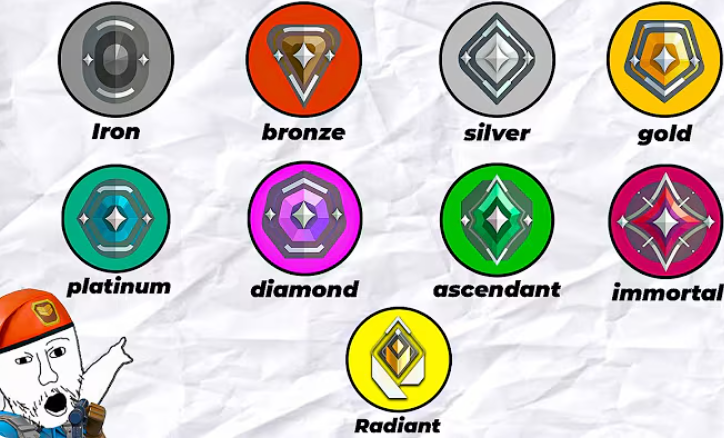
Valorant’s ranking system is designed to ensure that players compete against others of similar skill levels. Players start by completing placement matches, and their rank is then determined based on their performance in these matches. The system uses a combination of wins, individual performance, and match history to determine a player’s rank. This system is meant to provide a fair representation of skill, but players often find that the matchmaking system sometimes leads to frustrating experiences. For valorant match betting enthusiasts, understanding the ranking system is crucial when placing wagers on competitive games, as it influences a team’s consistency and performance over time.
One of the major issues that players face in Valorant’s ranking system is the skill gap between teammates and opponents. Due to the way the matchmaking algorithm works, players often find themselves paired with teammates who may be significantly weaker or stronger than them, making it difficult to maintain consistent matches. According to recent player feedback, many have reported a skill gap as one of the main reasons for feeling that the system isn’t fair. Players with higher ranks often feel that they are carrying their teammates, while those with lower ranks feel overwhelmed by opponents who seem to have more experience or mechanical skill. These dynamics influence valorant betting odds, as teams with noticeable skill gaps often perform unpredictably.
Additionally, the phenomenon of "smurfing" has become a major issue in Valorant. Smurfing refers to high-ranked players creating lower-ranked accounts to dominate new or less experienced players. This can make the ranked experience feel unfair and frustrating for players who are legitimately trying to progress in their ranks. Riot Games has attempted to address this by implementing stricter account monitoring and banning smurfs, but it remains an ongoing issue in the community. For valorant betting sites, understanding how these dynamics affect team performance is crucial, as underperforming teams or unbalanced matchmaking can significantly affect a team’s performance in competitive events. Bettors need to factor in such disruptions when analyzing valorant esports betting odds.
The Impact of “Throwing” and Teammate Imbalances
Another significant issue that players face in Valorant’s ranking system is the prevalence of “throwing”—where players intentionally sabotage their team’s chances of winning, often by underperforming or not cooperating. This can ruin the ranked experience for everyone involved, as it’s impossible to win a match if one or more players intentionally throw the game. Riot has taken steps to address this issue by improving the reporting system and penalizing players who throw games, but this remains a persistent challenge. Players who throw can have a significant impact on the match’s outcome, affecting both the gameplay and valorant match betting trends.
In many cases, a team’s success or failure can be heavily influenced by the actions of just one player. This makes the system feel unfair, especially when a high-ranking player is stuck carrying teammates who don’t contribute or intentionally underperform. For players trying to climb the ranks and improve their skills, the frustration of dealing with toxic players or uncooperative teammates is a major obstacle. This is where the comparison between Valorant and other games like **CS2** and **Overwatch** becomes relevant. While all competitive games face similar issues, the way their ranking systems handle these challenges can differ. For esports bettors, understanding how these imbalances can affect team performance is essential when placing bets on valorant match betting platforms.
Comparing Valorant’s Ranking System to CS2 and Overwatch
When comparing Valorant’s ranking system to other competitive games, such as **CS2** and **Overwatch**, we can see some clear differences in how fairness is addressed. In **CS2**, the matchmaking system is primarily based on player performance in matches, and skill gaps between teammates are often more noticeable due to the more mechanical nature of the game. **CS2** also faces its own share of matchmaking issues, particularly when it comes to smurfing and high-ranking players dominating lower-level matches. However, **CS2’s** ranking system tends to be more transparent, with clearer expectations and rankings based on performance. For esports bettors, understanding the difference in matchmaking mechanics between **CS2** and Valorant can provide valuable insights when evaluating valorant betting odds and making informed predictions.
**Overwatch**, on the other hand, uses a more team-oriented ranking system, where each player’s performance is heavily reliant on their ability to cooperate with teammates. This system can be seen as more fair in terms of how team dynamics influence rankings. However, **Overwatch’s** system also suffers from issues like toxic behavior and player “throwing,” which impact the overall experience. Riot Games has focused heavily on creating a balanced system for Valorant, but there are still aspects that could be improved, especially when it comes to fairness in team dynamics and mitigating the impact of toxic players on matchmaking. For bettors, understanding the way **Overwatch** and **CS2** address these issues can offer a broader perspective when placing wagers on valorant esports betting platforms.
What Can Be Done to Improve Valorant’s Ranking System?
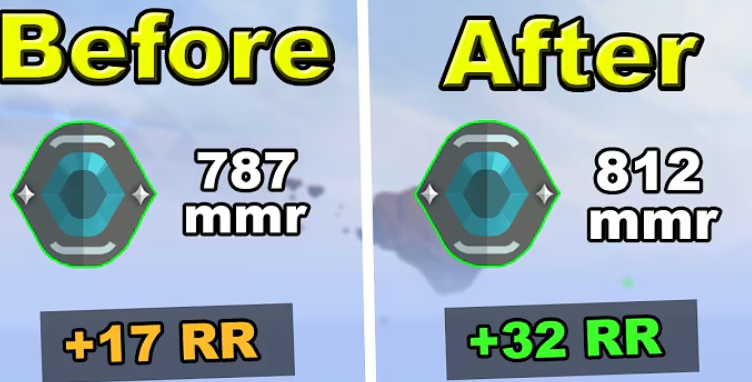
Despite Riot Games’ efforts to improve the ranking system and minimize issues like smurfing, throwing, and team imbalances, there’s still work to be done. One potential solution could be implementing a better skill-based matchmaking system that factors in individual performance more heavily, rather than relying solely on win rates. This could help reduce the impact of uncooperative teammates and improve the overall fairness of the game. Another possible improvement could be a more transparent ranking system, where players have a clearer understanding of what they need to do to improve and climb the ranks.
For esports bettors, understanding these dynamics and how they influence team performance is critical when placing wagers on valorant esports betting sites. Teams with better coordination and a higher level of individual skill are likely to perform better, and this is reflected in betting odds. By tracking how players progress through the ranking system and how these issues evolve over time, bettors can gain a competitive edge when predicting outcomes.
Frequently Asked Questions (QA): Is Valorant’s Ranking System Fair?
Q1: Why do players feel Valorant’s ranking system is unfair?
A1: Many players feel that Valorant’s ranking system is unfair because of skill gaps between teammates, smurfing, and players “throwing” games. These issues create unbalanced matches, which can be frustrating for players trying to climb the ranks. For esports bettors, these discrepancies in matchmaking can directly affect the outcomes of valorant match betting and overall betting trends, as unpredictable team performance may result in fluctuating odds.
Q2: How does Riot Games address smurfing and toxic behavior in Valorant?
A2: Riot Games uses machine learning algorithms to detect and penalize smurfs and toxic behavior. They also have reporting and penalty systems in place to discourage players from intentionally sabotaging their team’s chances of winning. This plays a crucial role in maintaining a fair matchmaking environment, which is vital for esports bettors who rely on consistent team performance when placing bets on valorant betting sites.
Q3: How does Valorant’s ranking system compare to CS2 and Overwatch?
A3: While Valorant’s ranking system focuses on both team play and individual performance, **CS2** tends to focus more on individual performance, with a clearer ranking structure. **Overwatch**, on the other hand, places more emphasis on team coordination, which can make it fairer in terms of ranking but still suffers from issues like toxic behavior and throwing. For bettors, understanding the differences between these ranking systems is key when analyzing valorant esports betting odds and trends.
Q4: How can Valorant improve its ranking system to be fairer?
A4: Valorant could improve its ranking system by implementing better skill-based matchmaking and making the ranking system more transparent. This would help players understand what they need to do to climb the ranks and reduce the frustration caused by unbalanced matches. For esports bettors, clearer matchmaking and ranking transparency can lead to more predictable outcomes in valorant betting odds.
Is Valorant’s Ranking System Truly Fair?
Valorant’s ranking system is undoubtedly a step in the right direction for creating competitive fairness, but it still faces significant challenges. Issues like smurfing, throwing, and teammate imbalances continue to make the experience feel unfair for many players. Riot Games has made strides in addressing these issues, but there is still work to be done. For esports bettors, understanding how these factors impact match outcomes is essential for making informed wagers on valorant betting sites and navigating the evolving competitive landscape of the game. By monitoring the skill gaps, smurfing, and teammate issues, bettors can better predict team performance, ultimately influencing the accuracy of their bets on valorant betting odds.