







Anubis is one of the newest additions to the CS2 competitive pool, and it has quickly become a fan favorite due to its intricate design and unique Egyptian-inspired visuals. For players and bettors alike, understanding the dynamics of Anubis is key to gaining an edge in gameplay and cs2 anubis betting. From timing-based splits to canal skirmishes and site fakes, this map offers a fresh set of challenges and opportunities—especially when reading cs2 anubis odds.
The Rise and Evolution of Anubis
Anubis began as a passion project from community mapmakers Roald and jd40, introduced initially as a custom map on the Steam Workshop. Its unique aesthetic—a blend of Egyptian mystique and competitive FPS design—quickly attracted casual players, though its tactical depth wasn’t immediately recognized. That all changed when Valve noticed its growing popularity and decided to include Anubis in the official CS:GO matchmaking rotation. But its real breakthrough came in late 2022, when Anubis was officially added to the Active Duty Map Pool in place of the legendary Dust2.
This bold decision by Valve surprised both casual fans and professional teams. Dust2 had long been a staple of the pro circuit, and its removal meant that everyone—from analysts to players to those engaged in cs2 anubis betting—had to adapt quickly. The introduction of Anubis into Tier-1 events forced teams to rapidly learn its unfamiliar layout, develop new protocols, and explore timings that would give them an edge. This shift also disrupted the established betting ecosystem, causing significant movement in cs2 anubis odds across early matchups.
Over several updates, Valve improved Anubis further by polishing its textures, refining its lighting, simplifying chokepoints, and cleaning up visual noise. These tweaks ensured smoother gameplay in competitive environments. Today, Anubis stands as a model of how community content can rise through the ranks to become a central pillar of professional CS2. This evolutionary journey makes it especially interesting for those involved in cs2 match betting, as the map's relatively new presence in pro play creates volatility that sharp bettors can capitalize on—particularly when less-prepared teams are forced to adapt mid-series.
Because Anubis is still young in the Active Duty pool, many teams are developing their strategies in real time. This live evolution often results in unexpected outcomes, especially in best-of-three series where map vetoes are tightly contested. For fans and bettors tracking live matches on cs2 betting sites, understanding how different organizations approach Anubis can offer insights that are not yet fully priced into cs2 odd lines—creating valuable betting opportunities.
Tactical Design and Mid-Control Philosophy
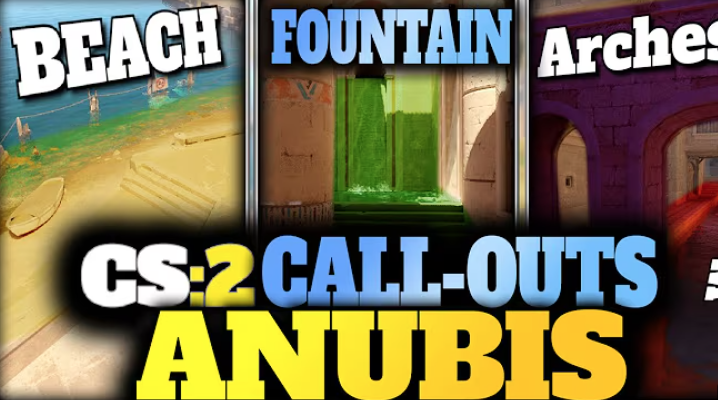
What sets Anubis apart from traditional CS2 maps is its distinct approach to map geometry. Rather than a simple three-lane system, Anubis features multi-layered walkways, interconnected choke points, and a canal system that creates fluid rotations and surprise engagements. From the moment the round begins, teams are racing for control—not of A or B directly, but of the mid-map canal and temple areas that connect both sites. Winning mid control isn’t a luxury on Anubis—it’s mandatory.
Teams that successfully secure mid gain a massive tactical advantage. They can split onto B through upper walkways or execute late pivots onto A via Heaven. The pressure that mid control exerts on defenders forces rotations, opens up fake potential, and demands heavy utility investment from both sides. Smokes and molotovs play a critical role in stalling or initiating fights, and early flashbangs in canal or temple often dictate which team controls the tempo. For those monitoring cs2 anubis betting markets, these early exchanges can be predictive of full-round outcomes.
From an analytics perspective, the map rewards precise team coordination. Set-piece executions often involve utility layered across multiple elevations—something that separates well-prepared squads from those relying on raw aim. This makes Anubis especially interesting in cs2 match betting contexts, where bettors can assess a team's default pathing, early utility usage, and post-plant positions to identify betting value. Matches on Anubis often feature economic swings, failed retakes, and surprise mid-round rotations—all of which contribute to rapidly shifting cs2 anubis odds.
Smart bettors on cs2 betting sites don’t just watch the scoreline—they watch the minimap. Is a team repeatedly giving up mid? Are they stacking sites too early or misusing their grenades? These details, when tracked across rounds, provide a roadmap to informed betting decisions. In many cases, the first three rounds on Anubis are enough to identify the stronger mid-control team—and that insight can lead to better decisions across pistol-round bets, over/under markets, or even full-match outcomes based on map-specific confidence.

Win Rates and Side Advantage
While Anubis is still relatively new in CS2, early data suggests it’s fairly balanced, with a slight lean toward the CT side due to the strength of elevated angles and efficient site holds. CTs who control upper mid and Heaven can delay pushes long enough for rotations, while Ts must carefully manage their timings across tight canals and narrow entryways.
For cs2 betting analysts, this data is gold. Observing how teams manage early-round utility and map control can help bettors predict who will dominate first-half rounds. It also impacts live cs2 betting odds—especially if one team is known for their tactical depth or Anubis-specific prep work.
Anubis in Pro Play
Since its inclusion in the competitive map pool, Anubis has become a battleground for innovation. Teams like Vitality, Heroic, and Cloud9 have showcased how the map rewards strategy, timing, and team synergy. Whether it’s a coordinated Heaven split or a late-round B lurk through canal, the diversity of playstyles on Anubis makes it exciting to watch and even more rewarding to analyze for cs2 anubis betting.
Professional matches on Anubis are often volatile. Due to its many connector points and crossfires, even a small mistake can snowball into a site loss. Bettors tracking player heatmaps and team defaults on Anubis are more likely to capitalize on fast-shifting cs2 anubis odds—especially in live match markets.
Map Aesthetics and Design Identity
Visually, Anubis is one of the most distinct maps in CS2. Its ancient Egyptian theme is expressed through crumbling temples, glowing canals, sandstone statues, and iconic pharaonic architecture. The golden lighting contrasts with narrow shadows, creating both beauty and gameplay significance. Corners and cover areas feel natural while offering strong tactical options—important for professional play and viewer immersion alike.
This distinct aesthetic also makes Anubis easier to read for those new to cs2 betting. Unique locations like Temple, Heaven, and Canal provide immediate context for spectators watching high-stakes matches and interpreting rotations. When you combine strong design with tactical depth, Anubis becomes a visually intuitive and strategically rich experience for everyone involved—from players to analysts to smart bettors looking for value on cs2 betting sites.
A New Era of CS2 Betting with Anubis
Anubis is not just a fresh map—it’s a tactical revolution within CS2. With its unique layout, visual identity, and evolving meta, it’s become a crucial component of modern esports and cs2 match betting. Whether you're analyzing round timing, smoke execution, or player positioning, Anubis rewards preparation and punishes hesitation.
For bettors, cs2 anubis betting offers a treasure trove of opportunities. From pre-match handicaps to live cs2 anubis odds, understanding the nuances of this map can unlock hidden value across a wide range of betting markets. Keep tracking pro play, update your analysis, and dive deep into the labyrinth of Anubis—it may just be your next big win.